In 2025, the University of Technology Sydney (UTS) achieved a major milestone in its sustainability journey, transitioning to 100% renewable electricity across its campus operations. This achievement was made possible through a strategic combination of on-site solar generation, innovative energy storage, and a landmark renewable power purchase agreement (PPA) securing solar and wind energy from New South Wales projects.
This transition represents a significant step toward UTS’s ambition to become climate positive by 2029, reinforcing its leadership in decarbonisation and sustainable campus operations.
What were the key strategies that contributed to achieving 100% renewable electricity at UTS?
The most significant initiative was UTS’s 10-year power purchase agreement with renewable energy provider Flow Power, securing traceable renewable electricity from the New England Solar project and the Gullen Range Wind Farm in NSW.
This agreement ensures that UTS’s electricity consumption is closely matched with renewable energy generation, supported by the retirement of Large-scale Generation Certificates to guarantee the integrity and traceability of its clean energy supply.
Key components of the transition included:
- Securing long-term renewable electricity supply through solar and wind PPAs
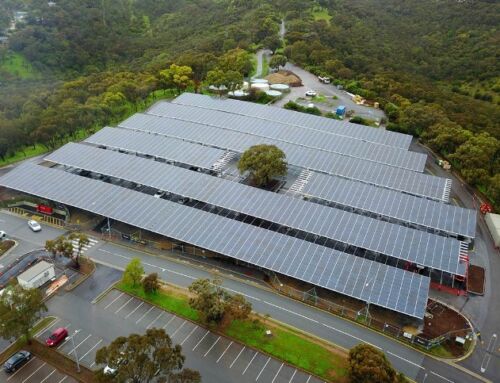
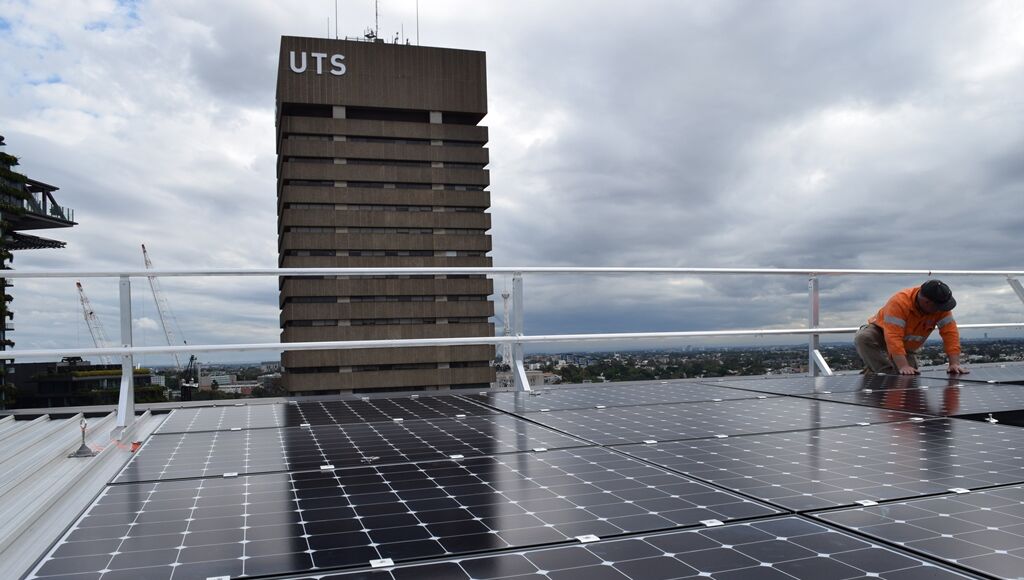
- Installing extensive on-site solar systems across campus buildings
- Investing in battery storage and demand management systems
- Linking energy consumption directly to measurable renewable generation
These combined initiatives enabled UTS to eliminate reliance on fossil fuel-based electricity while strengthening its energy resilience and financial sustainability.
How does the project align with the University’s broader sustainability goals?
The transition to 100% renewable electricity is central to UTS’s broader climate and sustainability strategy. The University has committed to achieving net zero emissions and becoming climate positive by 2029, positioning itself as a national and global leader in university decarbonisation.
This initiative reflects UTS’s longstanding commitment to climate action. UTS was an early adopter of renewable energy, completing its first solar farm PPA in 2015 and investing heavily in on-site solar installations.
The renewable electricity transition supports multiple strategic priorities:
- Reducing campus carbon emissions by approximately 90%
- Supporting local renewable energy generation and regional economies
- Delivering operational cost savings that can be reinvested into education and research
- Providing students and staff with a living example of climate leadership
Together, these efforts demonstrate how campus operations can serve as powerful drivers of systemic change.
What were the major challenges and successes?
Achieving 100% renewable electricity required significant long-term planning, investment, and collaboration with industry partners.
One key challenge was ensuring reliable, cost-effective renewable supply while maintaining operational continuity. This required careful energy modelling, contract negotiation, and alignment of campus energy demand with renewable generation profiles.
The success of the initiative lies in UTS’s ability to secure a blended renewable energy portfolio that delivers both environmental and financial benefits. The agreement ensures renewable electricity is sourced from specific, traceable projects rather than generic offsets, providing greater transparency and credibility.
This milestone also reinforces UTS’s reputation as a sustainability leader. As Vice-Chancellor Professor Andrew Parfitt noted:
“We’re not only reducing our carbon footprint but also delivering cost savings that can be reinvested in our core mission of education and research.”
What advice would you give to other institutions?
UTS’s experience demonstrates the importance of combining long-term planning, industry partnerships, and infrastructure investment to achieve ambitious climate targets.
Key lessons include:
- Use long-term renewable energy agreements to secure stable, traceable clean electricity supply
- Combine off-site renewable sourcing with on-site solar and battery infrastructure
- Integrate energy procurement into broader climate and operational strategies
- Partner with trusted renewable energy providers to accelerate implementation
Most importantly, UTS’s success highlights the influential role universities can play in accelerating Australia’s clean energy transition. By leveraging their purchasing power and research capability, universities can reduce emissions while supporting renewable energy development nationwide.
Looking ahead:
With its electricity now fully powered by renewable sources, UTS continues to invest in energy efficiency, battery storage, and further emissions reductions as part of its journey toward climate positivity.
This milestone demonstrates that ambitious sustainability goals are achievable through strategic partnerships, infrastructure investment, and institutional leadership—setting a powerful example for universities across Australasia and beyond.


Explore more
Read more examples of sustainability leadership from ACTS members and learn how institutions across the sector are turning commitment into action.