The University of Otago has set a new benchmark for sustainable food leadership in the tertiary sector, becoming the first university outside the United Kingdom, and the first organisation in Aotearoa New Zealand, to achieve the Sustainable Restaurant Association’s Food Made Good certification.
Awarded a two-star rating under the globally recognised Food Made Good Standard, Otago’s achievement reflects a strong institutional commitment to embedding sustainability across its operations, grounded in collaboration, continuous improvement and alignment with its sustainability strategy.
This milestone is both a proud moment for Otago and a powerful signal of what is possible when universities take a whole-of-system approach to sustainability.
What is the Food Made Good Standard?
Developed by the Sustainable Restaurant Association, the Food Made Good Standard is a globally recognised certification that assesses food operations against a comprehensive sustainability framework covering sourcing, social impact and environmental performance. More than 10,000 kitchens in over 70 countries have completed the Standard to measure and improve their sustainability practices.
How does the project align with the University’s broader sustainability goals?
Pursuing Food Made Good accreditation aligns closely with the University of Otago’s sustainability strategic framework, Tī Kōuka, which emphasises that campus operations should reflect the sustainability values embedded in research and teaching.
Otago has strong academic expertise in areas such as food waste, nutrition and climate health. Aligning food service operations with this evidence base helps bridge the gap between research and day-to-day practice. By embedding food sustainability into operational systems and the broader campus experience, Otago is demonstrating how institutional values can be translated into practical action.
What were the major challenges and successes?
Achieving certification required coordinated effort across teams and sustained engagement with staff and students.
Ray O’Brien, Tumuaki – Head of Sustainability at the University of Otago, noted that communication was a key challenge. With many part-time and student staff working in food services, building shared understanding of the certification’s significance required deliberate effort. Otago responded with student-led communications under the theme “What’s on Your Plate?”, helping make sustainability goals more relatable.
Ella Court, a Bachelor of Science student involved in the process, highlighted another challenge: encouraging greater acceptance of plant-based meals, particularly where resistance to change has existed.
Despite these challenges, the certification process has delivered meaningful progress:
- Sustainability criteria embedded into procurement processes
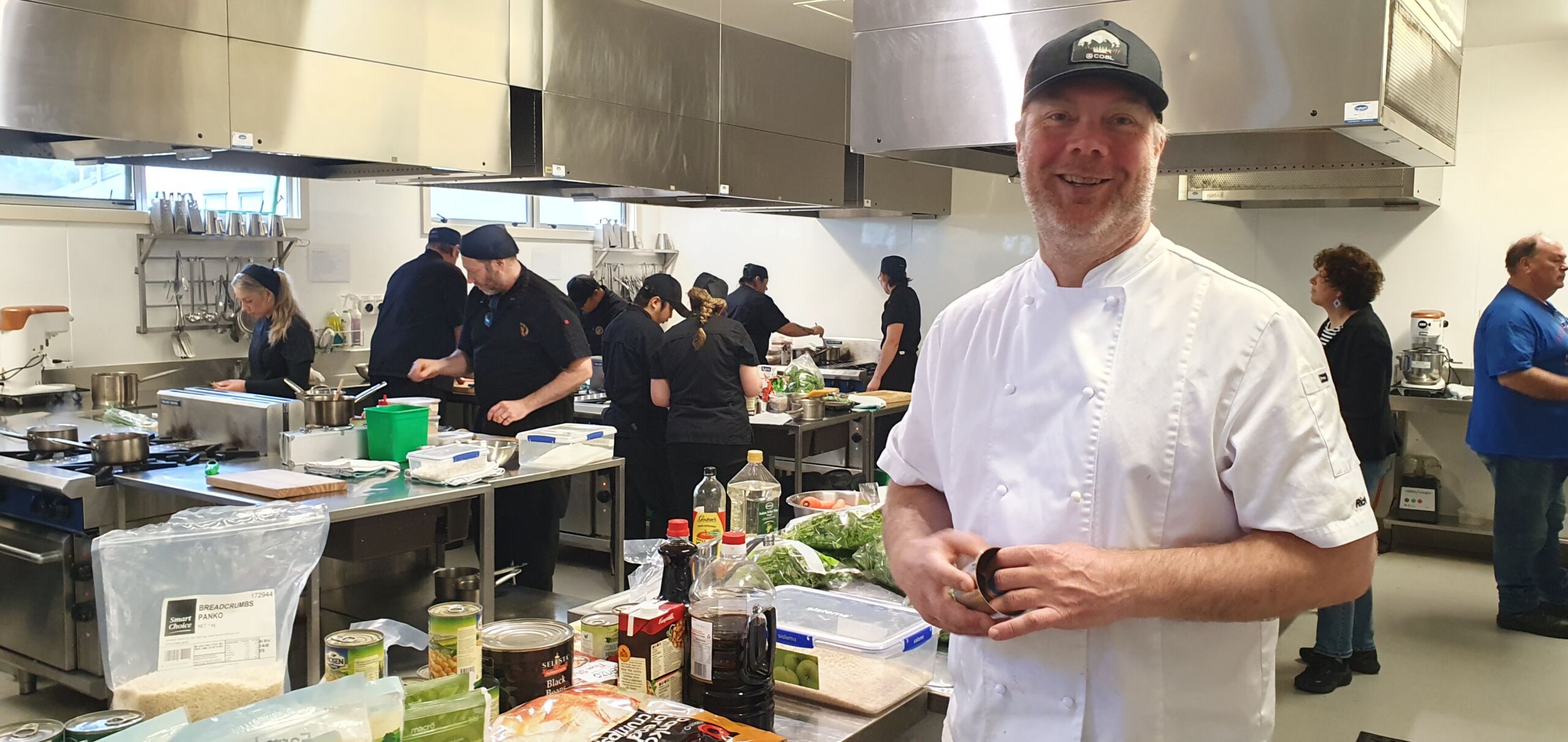
- Enhanced chef training delivered in collaboration with the local Polytechnic
- Diversion of food waste to a digester, producing soil conditioner for campus gardens
- Stronger collaboration between operational and academic teams
Achieving two stars (just one point shy of three) has created momentum to refine practices and aim higher in the next certification cycle.
What advice would you give to other institutions?
Otago’s experience offers practical insights for institutions considering the Food Made Good Standard or similar certifications. The team recommends:
- Bringing operations and academia together, connecting food services with expertise in food science, nutrition and sustainability research
- Ensuring strong collaboration between operational, academic and administrative teams to gather evidence and implement change effectively
- Treating certification as a long-term improvement framework rather than a one-off achievement
Engaging stakeholders meaningfully, particularly students, to strengthen both impact and institutional commitment.
Looking ahead:
Otago’s journey demonstrates that sustainable food transformation is most effective when it connects research, operations and student experience in a shared effort toward continuous improvement. The team at Otago see the Food Made Good Standard rating as just the beginning of their sustainable food systems journey; striving to gain a three-star rating in the future!
Follow their journey here:
Explore more
Read more examples of sustainability leadership from ACTS members and learn how institutions across the sector are turning commitment into action.