The University of Melbourne is strengthening its approach to sustainability with the launch of its refreshed Sustainability 2030 strategy, setting an updated pathway for embedding sustainability across education, research, leadership and campus operations.
Building on commitments established in 2022, the updated strategy responds to an evolving sustainability landscape, including growing climate and biodiversity risks, emerging technologies and increasing expectations for measurable action. With a renewed focus on accountability, collaboration and long-term impact, Sustainability 2030 aims to ensure the University continues to make a meaningful contribution to a more sustainable future.
What inspired the strategy refresh?
The update forms part of a planned midpoint review of the University’s sustainability commitments, providing an opportunity to reflect on progress, respond to emerging challenges and align priorities with its broader institutional strategy, Strategy 2030: Resilience.
A sustainability materiality assessment helped identify where the University could make the greatest contribution, considering its environmental and social impacts, stakeholder priorities and capacity to influence outcomes.
The process was informed by engagement across internal and external stakeholder groups, including students, academic and professional staff, operational teams, external partners and University leadership. Their contributions helped shape the strategy’s priorities, targets and approach to implementation.
What are the key priorities of the refreshed strategy?
Sustainability 2030 brings together three interconnected domains: education and research, sustainability leadership, and resilient operations. The refreshed strategy introduces a focus on ten priority areas and 17 targets, with clearer indicators and responsibilities to support implementation.
Key commitments include:
- Equipping students with the knowledge and skills to contribute to sustainable societies.
- Strengthening the sustainability impact and practices of University sustainability-related research.
- Achieving net zero emissions by 2050, with an interim target to reduce emissions by 20% by 2030.
- Increasing campus biodiversity and improving understanding of nature-related impacts across supply chains.
- Building greater understanding of the sustainability risks and opportunities associated with artificial intelligence.
Four cross-cutting enablers will support delivery: Indigenous knowledges, living laboratories, engagement and partnerships, and governance and performance. Of particular significance is the ongoing recognition of living laboratories – using campuses and operations as real-world settings where students, academics and professional staff can collaborate on sustainability challenges.
How will the strategy be put into action?
Sustainability 2030 is designed to embed sustainability throughout the University’s core activities, with responsibility for implementation shared across faculties and portfolios.
In research, it addresses both the societal impact of the University’s work and how research is conducted, including more sustainable laboratories and infrastructure use. Operational priorities will further embed sustainability in estate planning and development, purchasing, resource use and investment decisions.
Progress will be measured through defined indicators and reported through the University’s annual Sustainability Report. The first report against the refreshed strategy is planned for mid-2027, providing an initial assessment of progress following its November 2026 launch.
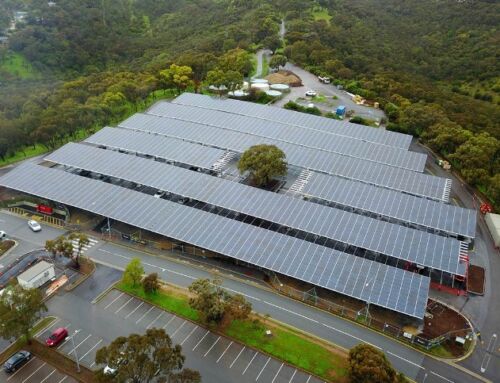
Although bespoke, the system has been designed to address barriers common to building electrification, including cost, available space, electrical demand and performance, and is expected to be more cost-effective over its lifetime than a conventional heat pump solution.
What were the major challenges?
One of the central challenges in refreshing Sustainability 2030 was balancing ambition with credible and achievable commitments across sustainability issues at different stages of maturity.
While established areas such as emissions and waste have more developed measurement systems, emerging priorities including responsible AI and supply-chain biodiversity impacts require further research and capability building to support further quantitative targets to be established.
The University addressed these challenges through its materiality assessment, extensive stakeholder engagement and collaboration between academic experts and operational teams.
This approach helped establish priorities grounded in evidence, while allowing flexibility for emerging issues and future developments.
What advice would you give to other institutions?
The University of Melbourne’s experience highlights the importance of grounding sustainability strategies in institutional purpose and understanding where an organisation can make the greatest impact.
Key lessons include:
- Building on existing progress by reviewing achievements and remaining challenges to inform future priorities.
- Engaging academic, operational and leadership teams early to ensure commitments are practical and achievable.
- Establish clear responsibilities and measurable targets, recognising that more emerging sustainability issues may first require further evidence and capability.
- Embed accountability by having transparent reporting, ongoing learning and regular reviews to help maintain momentum while allowing strategies to respond to change.
Above all, the refresh demonstrates the importance of sustainability as an integral part of enabling institutional strategy and decision-making rather than a separate collection of initiatives.
Looking ahead:
With Sustainability 2030, the University of Melbourne is establishing a more focused and accountable approach for sustainability action over the remainder of the decade.
By connecting education, research and operational practice, the refreshed strategy aims to strengthen the University’s contribution to addressing complex environmental and social challenges.
For the broader tertiary education sector, the approach offers a valuable example of how institutions can build on existing commitments, respond to emerging priorities and translate sustainability ambition into measurable, long-term progress.
Learn more about the strategy here.
Download the strategy pdf here.
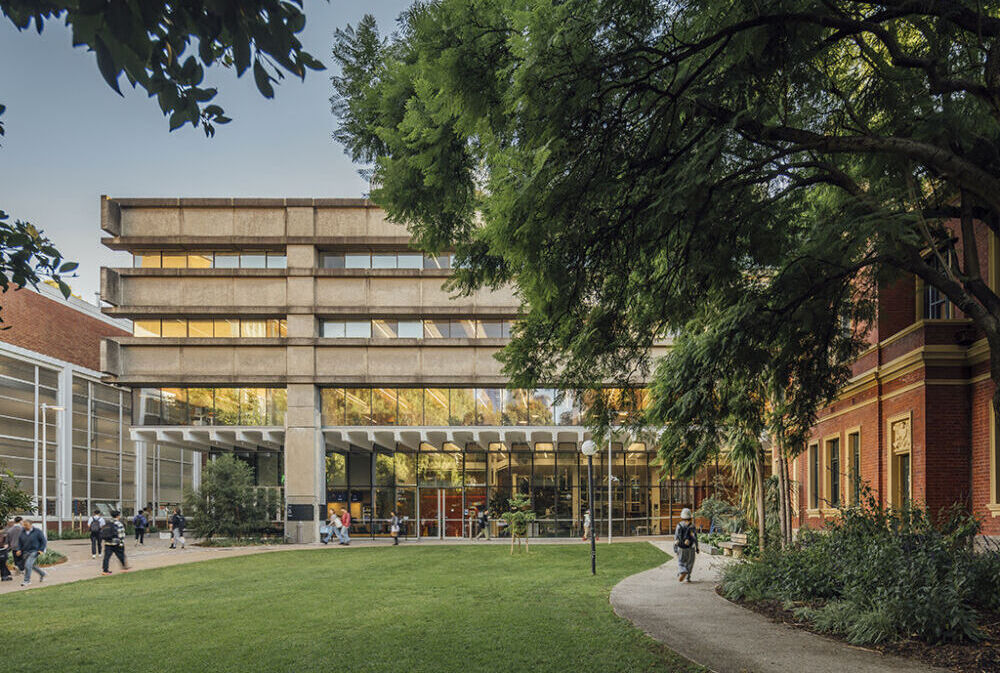
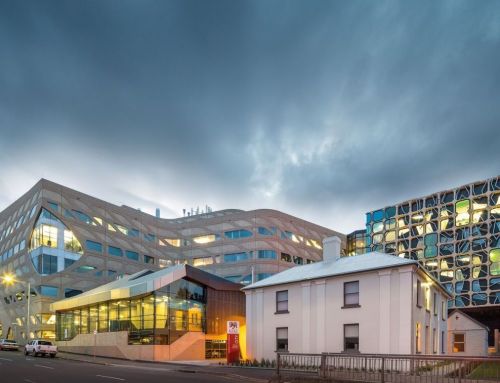
Photograph by Michael Kai.
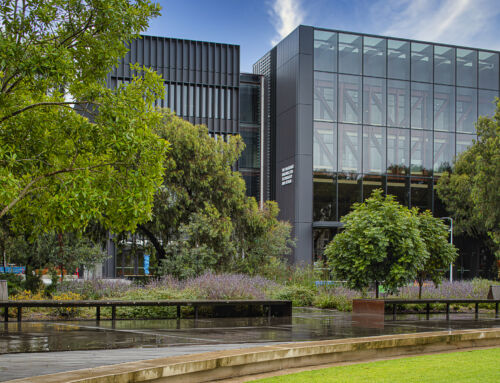
Repurposed Eastern Resource Centre, Parkville campus.
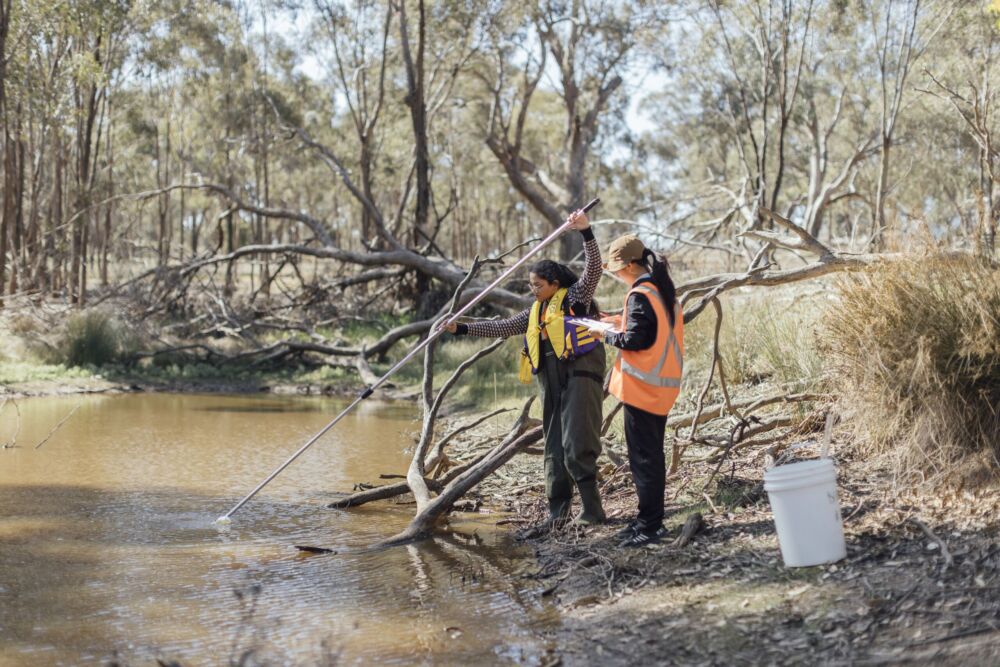
Photograph by Michael Kai.
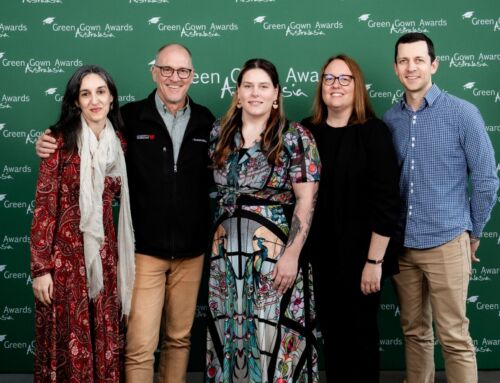
Environmental Engineering students, bushland reserve, Dookie campus.

Explore more
Read more examples of sustainability leadership from ACTS members and learn how institutions across the sector are turning commitment into action.